
Personality Disorder Treatment
Your Journey to Emotional Wellness Starts Here
Receive compassionate, evidence-based support for personality disorders through personalized therapy designed to improve emotional well-being, relationships, and quality of life.
What is a Personality Disorder?
A personality disorder is a long-term mental health condition that influences how a person perceives themselves, relates to others, manages emotions, and responds to situations. These patterns typically begin in adolescence or early adulthood and can impact various aspects of life, including personal relationships, social interactions, education, and career development.
Personality disorders are treatable, and with appropriate psychological support, many individuals experience significant improvement in their emotional well-being and quality of life.


Kappiness has helped thousands of life
around the globe to heal
Kappiness has helped thousands of life around the globe to heal
Symptoms of Personality Disorders
- Difficulty maintaining healthy relationships
- Emotional instability or mood swings
- Fear of abandonment or rejection
- Persistent feelings of emptiness
- Impulsive or risky behaviors
- Excessive dependence on others
- Distrust or suspicion of others
- Difficulty managing anger
- Low self-esteem or unstable self-image
- Perfectionism and need for control
- Social withdrawal or avoidance
- Difficulty adapting to change
Types of Personality Disorders
Personality disorders are generally classified into different categories based on common patterns of behavior and thinking.
Cluster A
Odd or Eccentric Disorders
Paranoid Personality Disorder
Schizoid Personality Disorder
Schizotypal Personality
Disorder
Cluster B
Dramatic, Emotional, or Erratic Disorders
Borderline Personality Disorder
Narcissistic Personality Disorder
Histrionic Personality Disorder
Antisocial Personality Disorder
Cluster C
Odd or Eccentric Disorders
Avoidant Personality Disorder
Dependent Personality Disorder
Obsessive-Compulsive
Personality Disorder
Causes and Risk Factors
The exact cause of personality disorders is not fully understood. Research suggests that a combination of biological, psychological, and environmental factors may contribute to their development.
Genetic Factors
Family history and genetic predisposition may increase
risk.
Childhood Trauma
Early adverse experiences can influence emotional development.
Family Environment
Family dynamics and upbringing can affect personality formation.
Emotional Neglect
Emotional abuse or neglect may contribute to long-term difficulties.
Brain Function
Neurobiological factors may influence behavior and emotions.
Environmental Stress
Chronic stress and life experiences can increase
vulnerability.
Treatment for Personality Disorders
Effective treatment often involves a combination of psychological
therapies tailored to each individual's needs.
- Cognitive Behavioral Therapy (CBT)
- Dialectical Behavior Therapy (DBT)
- Schema Therapy
- Psychodynamic Therapy
- Mindfulness-Based Therapy
- Family and Relationship Counseling
- Supportive Psychotherapy
- Cognitive Behavioral Therapy (CBT)
- Dialectical Behavior Therapy (DBT)
- Schema Therapy
- Psychodynamic Therapy
- Mindfulness-Based Therapy
- Supportive Psychotherapy

Mode Of Therapy
- VIDEO CALL
- AUDIO CALL
- CHAT MODE
- OFFLINE
- VIDEO CALL
- AUDIO CALL
- CHAT MODE
- OFFLINE
Our Approach
Personalized Assessment
We conduct a comprehensive evaluation to understand each individual's unique experiences, symptoms, and goals.
Evidence-Based Therapy
Our psychologists use proven therapeutic approaches such as CBT, DBT, Schema Therapy, and Psychodynamic Therapy.
Ongoing Support
We provide continuous guidance, progress monitoring, and personalized care throughout the treatment journey.
Skill Development
We help individuals build emotional regulation, coping strategies, self-awareness, and healthier relationship skills.
AS we Featured In
A space where conversation create Changes
“We have designed Kappiness in such a way that just being there should make clients feel good.”
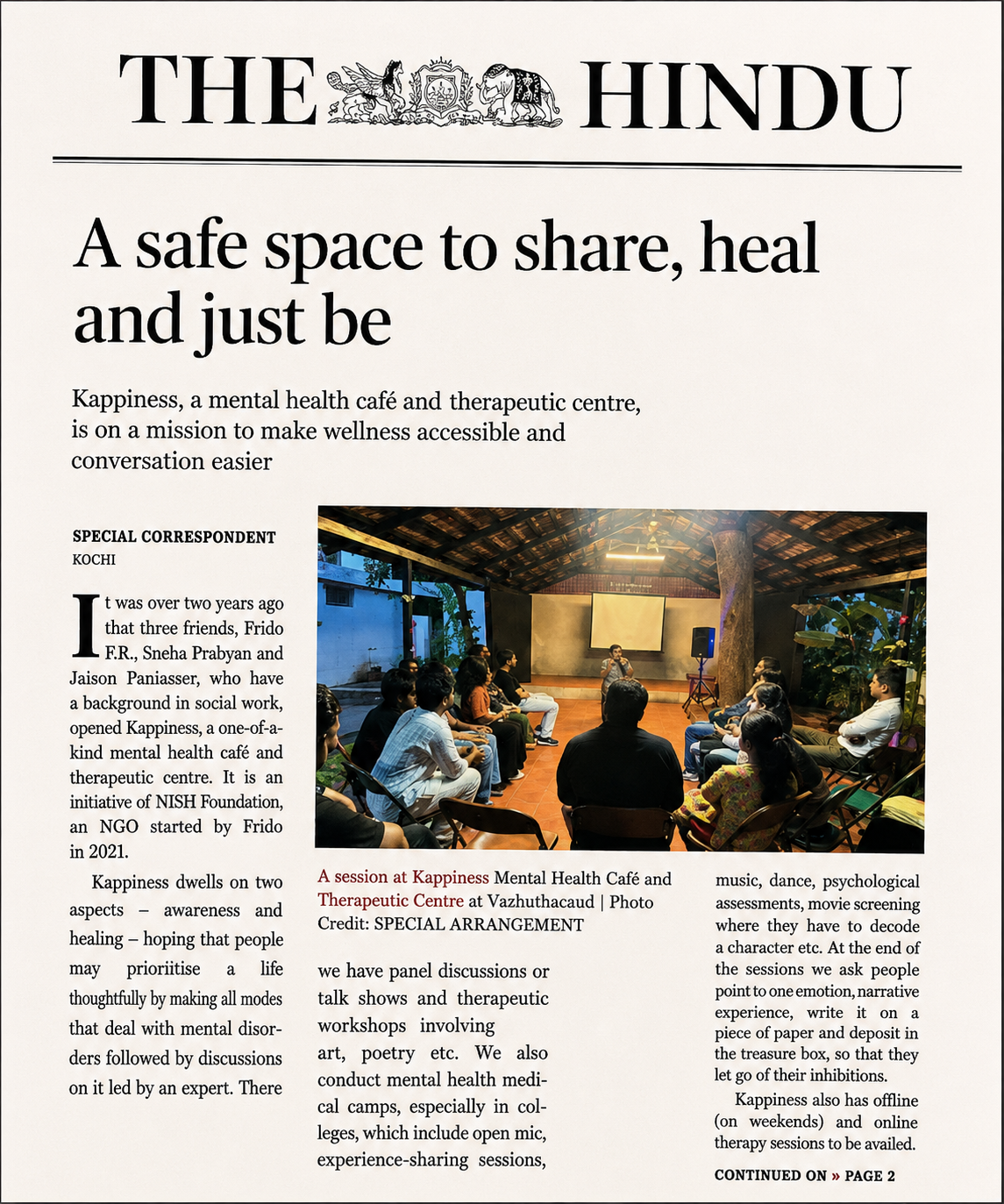


Our Story in the Spotlight
What Happens After Booking?
- Book Consultation
- Personalized Therapy Plan
- Regular Progress Reviews

FAQ
Yes. With proper therapy and professional support, many individuals experience substantial improvement in symptoms and quality of life.
Mental health professionals conduct comprehensive psychological assessments, clinical interviews, and evaluate symptoms based on established diagnostic criteria.
The duration varies depending on the individual's condition, treatment goals, and response to therapy.
Yes. Online therapy can provide effective treatment and ongoing support for many personality-related concerns.
If emotional difficulties, relationship problems, or behavioral patterns are affecting daily life, relationships, or work, seeking professional help is recommended.
Yes. Personality disorders can impact communication, trust, emotional regulation, and interpersonal relationships. Professional therapy can help individuals develop healthier relationship patterns and improve social functioning.
Childhood experiences, including trauma, neglect, or adverse environments, may contribute to the development of personality disorders. However, genetic, biological, and environmental factors can all play a role.
Absolutely. With appropriate treatment, support, and coping strategies, many individuals with personality disorders lead fulfilling personal, social, and professional lives.
Healing Beyond Borders
Available Worldwide
Multilingual Support
Flexible Scheduling
Safe & Confidential Care
STILL WONDERING IF THERAPY IS RIGHT FOR YOU?
Speak with one of our experienced mental health professionals to understand your concerns and explore the right treatment approach.